
SASNET News
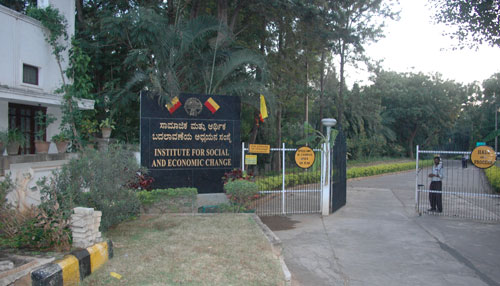 The Swedish South Asian Studies Network (SASNET), the Nordic Centre in India (NCI), and the Institute for Social and Economic Change (ISEC) organize an explorative workshop on “Urbanization and Migration in Transnational India: Work and Family Life from a Welfare Perspective” in Bangalore, India, during the period 5–7 March 2013. SASNET is represented in Bangalore by Anna Lindberg, Lars Eklund and Jonathan Stoltz. While in India, the SASNET team also visit a number of other universities and research institutions in Bangalore, Mangalore, Hyderabad and Chennai.
The purpose of the workshop is to bring together Nordic and Indian researchers in the Humanities and Social Sciences to identify new areas of research on the ways in which work and family life in India are rapidly being transformed by urbanization, national and transnational migration, and new economic policies, especially with regard to welfare distribution and social security. Read more.
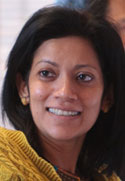
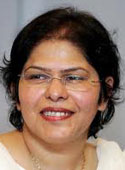
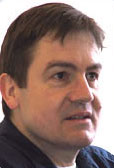
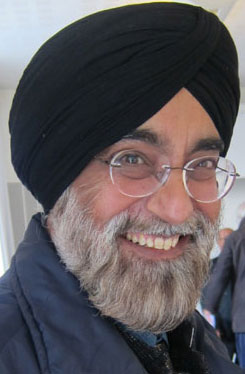
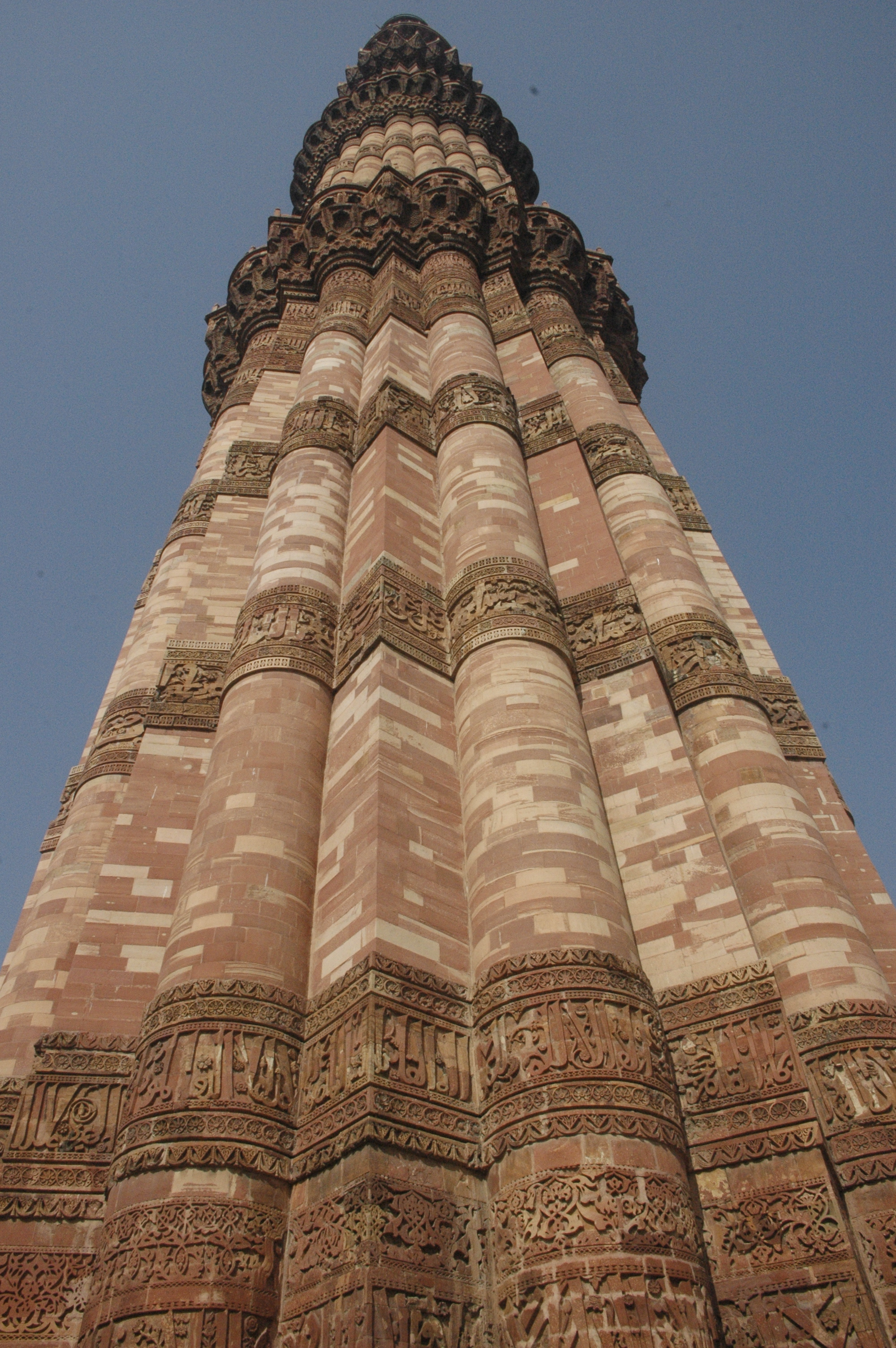 The 2013 SASNET South Asia Symposium at Lund University will be held on Wednesday 24th april 2013, 09.00–19.00. The theme for the Symposium is ”The Wonder that is South Asia”, featuring eminent international scholars that will hold lectures on topics related to Bangladesh, India, Nepal, Pakistan and Sri Lanka. Venue: Palaestra, Universitetsplatsen, Lund.
 In a concluding panel discussion the Ambassadors of the South Asian nations represented in Sweden have been invited to participate in a dialogue with the speakers on the theme for the day – ”The Wonder that is South Asia”.
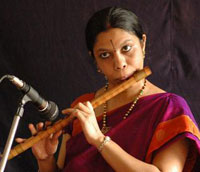
The Symposium is followed by a cultural programme at the same venue featuring the Flute player Shantala Subramanyam (photo).
The symposium hall has a limited capacity of seats. It is therefore necessary to register your participation no later than 10th April. More information with detailed programme.

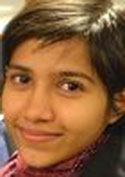 Swedish and International students at Lund University with an interest in South Asia are now invited to join the SASNET Student Group, that is supposed to be formed at a gathering in Lund on Tuesday 19th March 2013. It is a joint initiative by the Swedish South Asian Studies Network staff, and a number of students at the International Bachelors and Masters programmes at Lund University.
 The interim coordinator for the SASNET Student Group is Hawwa Lubna (photo), student at the Bachelor of Science Programme in Development Studies (BIDS), and SASNET’s Maldivian resource person at Lund University. The aim behind forming the new group is to make SASNET more visible and useful for the student community, and at the same time assist SASNET in various ways for example in organising seminars and conferences. It should also engage in other social activities.
All interested are welcome to the meeting that will be held at the Social Sciences Student Union building (”Samvetet”), Paradisgatan 5 S, Lund, on Tuesday 19th March 2013, at 17.00. Find the map.
• SASNET board appointed for the period 2013–2015
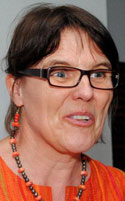
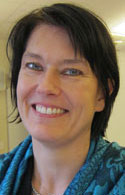
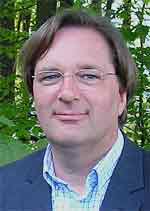


After running for two and a half years without a board, the Lund University (LU) based Swedish South Asian Studies Network (SASNET) has finally got a new board. The members of the board, except three representatives for students, were appointed by Eva Wiberg, Pro Vice Chancellor, Lund University, in a decision made on Thursday 7th February 2013. The board is appointed for a period of three years up till 31 December 2015.
Members of the board: – Dr. Anna Lindberg, SASNET Director (chairperson); – Professor Helle Rydström, Centre for Gender Studies, Lund University (representative for the Faculty of Social Sciences, LU); – Professor Olle Qvarnström, Department of History and Anthropology of Religion, Centre for Theology and Religious Studies, Lund University (representative for the Faculty of Humanities and Theology, LU); Dr. Fredrik Tufvesson, Department of Electrical and Information Technology, Lund University (representative for the Faculty of Engineering, LU); – Professor Stefan Jonsson, Department of Business Studies, Uppsala University, and former Counsellor of Science and Technology, Embassy of Sweden in India; – Dr. Anders Fänge, former Site Manager, Swedish Committee for Afghanistan (SCA). Additionally, three students representatives will be appointed by Lund university student unions association, for a period of one year at a time.
The first board meeting will be held in Lund on Tuesday 14 May 2013, 12.00–16.00.
Full information about the SASNET board 2013-15.

 Department of History, Uppsala University. Contact person: Professor Gunnel Cederlöf. Previously chairperson of SASNET’s board 2007-10, now chairperson for the Forum for South Asian Studies at Uppsala University.
The department is one of the strongest South Asia related departments in Sweden within the field of humanities. Gunnel Cederlöf is carrying out research on Indian modern (18th and 19th Century) history, with a focus on environmental history, political ecology, rural development, mission history, socio-economic transformation, caste and labour issues. For many years she was engaged in research collaboration on Ecological Nationalisms with Professor K. Sivaramakrishnan in the US. Her current research focuses on Borders and Constitution under Colonial Rule in Northeastern Bengal. In February 2013, she co-organised a workshop on this theme at Nehru Memorial Museum and Library in Delhi.
Dr. Henrik Chetan Aspengren is another South Asia oriented researcher at the department. He wrote his PhD thesis on Social Imperialism in the Bombay Presidency, 1895–1925. Henrik has also written a book on Pakistan, providing valuable social and historic context to events reported in the news about the country.
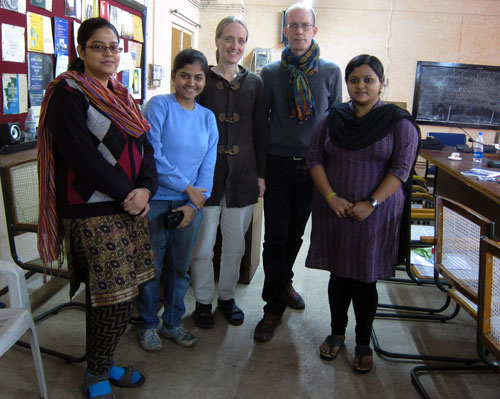 Since 2005, the department is involved in an extremely fruitful Linnaeus Palme collaboration programme with University of Calcutta in Kolkata. The coordinating partner on the Indian side is Arun Bandopadhyay, Nurul Hasan Professor of History, University of Calcutta. Altogether 10 Uppsala teachers have been going to Kolkata, and almost the same number of Kolkata teachers have gone to Uppsala. Students go as well in both directions and take part in courses at the partner university every year.
Gunnel Cederlöf was also instrumental in establishing a collaboration project between universities in Uppsala and Delhi in 2007. It is a networking project between researchers working within the field of environmental history, and has been entitled Uppsala-Delhi Ecology and Society Network. Researchers involved come from Uppsala University, the Swedish University of Agricultural Sciences (SLU), Delhi University, Jawaharlal Nehru University (JNU), Delhi School of Economics, Delhi Institute of Economic Growth, Ambedkar University Delhi, and Jamia Millia Islamia University. The network has organised a number of workshops in Delhi.
More information about South Asia related activities at Dept. of History, Uppsala University.
SASNET tries to keep track of all South Asia related research at the Swedish universities, and in our database we have information about approximately 300 departments where some kind of South Asia related research and/or educational collaboration projects with institutions in the eight South Asian nations is going on. Among our networking partners , we will each month present one or two of these departments and the researchers working on South Asia related projects. Go for SASNET’s list of Swedish departments.
 2012 was a year filled with networking activities for the Swedish South Asian Studies Network (SASNET). We organised 26 academic seminars at Lund University, including eight lunch seminars at Lunds konsthall, an international workshop for European PhD candidates in Falsterbo, and a major Indian Festival (Mela) held in April. A large number of South Asian academics visited SASNET, and we made valuable networking tours to several universities in Sweden, Europe and South Asia, besides attending the 22nd European Conference on South Asian Studies in Lisbon.
SASNET also continued to administer the Indian Council for Cultural Relations (ICCR) visiting Indian guest professorship at Lund University, and acted as consultants to the university’s Division of External Relations. At the end of the year, we were also given new Directions by the Vice Chancellor, and a decision by Lund University to provide funding for SASNET with SEK 2.64 m a year for the coming three years 2013-15. Finally, we continued to develop and update our extensive Internet gateway disseminating information on South Asia-related education and research being conducted at 300 Swedish university departments, and also publishing the monthly on-line newsletter that circulates to 2,700 recipients worldwide. See a SASNET 2012 Activity Report compiled by Lars Eklund.
SASNET has a wide-ranging seminar programme for the Spring semester 2013. The highlight is of course the SASNET 2013 one-day South Asia Symposium on 24th April with invited speakers including Dina Siddiqui, Surinder Jodhka, Michael Hutt, Ayesha Siddiqa, and Jonathan Spencer. But SASNET also offers four lunch time seminars at Lunds konsthall with researchers at Lund University; Per Wickenberg, Baboo Nair, Anette Agardh and Ted Svensson, presenting their South Asia related projects.
Other interesting seminars during the spring include presentations by Krishnan Srinivasan from the Swedish Collegium for Advanced Study (SCAS) in Uppsala, who will lecture on ”Europe’s engagement with Emerging Asia; reflections on a new roadmap”; Dr. Raj Sekhar Basu from University of Calcutta, Kolkata, who will lecture on ”Ambedkar and his Perceptions of Karl Marx and Buddha”; the American photo journalist Ann Jones who will lecture on ”War Is Not Over When It’s Over: Life Without Peace in Afghanistan”; and Sebastian Morris, Indian Institute of Management (IIM) Ahmedabad, who will lecture on ”The 2012 Gujarat Elections – Implications for Political and Economic Development in India”. See the complete list of SASNET Spring 2013 seminars. Full information about the seminars.
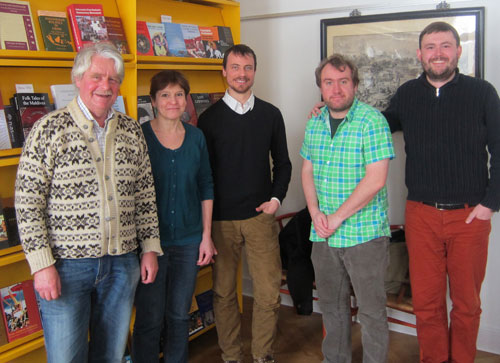
On Friday 15 February 2013, SASNET deputy director Lars Eklund and assistant webmaster Jonathan Stoltz visited the Nordic Institute of Asian Studies (NIAS) in its new premises beautifully located within Copenhagen University’s City Campus at Øster Farimagsgade 5, with a view over the lakes. The aim of the visit was to discuss the continued technical collaboration between SASNET and NIAS in the field of web site management. Lars and Jonathan had a fruitful meeting with NIAS Chief Librarian Asger Juel Hansen and his colleagues Inga-Lill Blomkvist and Bernd Wunsch, to discuss common technical problems and find solutions.
The SASNET–NIAS collaboration consists both of organising joint conferences (the Falsterbo conferences for young Nordic researchers), and joint technical issues like synchronizing and exchanging web based information.

 The collaboration was formally initiated in 2011, when SASNET launched its current Drupal CMS system based website, completely redesigned and restructured by Julia Velkova at SASNET, with full assistance from Bernd Wunsch at NIAS. Since then NIAS hosts the SASNET website, and recently a new maintenance agreement for 2013 was signed by the two directors, Dr. Geir Helgesen at NIAS, and Dr. Anna Lindberg at SASNET.
NIAS has existed for more than 40 years, and is nowadays hosted by and integrated into the University of Copenhagen, but is still mainly funded by the Nordic Council of Ministers under a contract with the institute. NIAS emphasizes research-based knowledge and information on Asia and the institute contributes to the international recognition of and respect for Nordic Asia research. Furthermore, the institute coordinates a Nordic, networked research school, The Asian Century Research School and the NIAS SUPRA Programme for Nordic Master and PhD students. More information about NIAS.
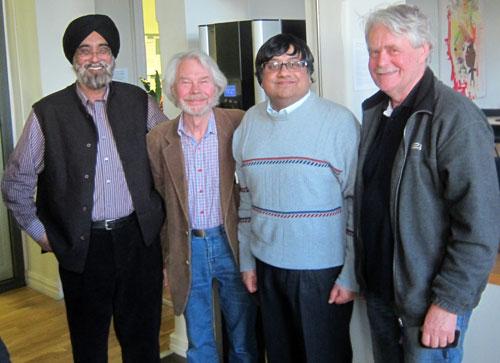 Associate Professor Raj Sekhar Basu from the Department of History, University of Calcutta, Kolkata, India, held a well-attended SASNET lecture at Lund University on Wednesday 27 February 2013. The theme for his lecture was ”Ambedkar and his Perceptions of Karl Marx and Buddha”. The seminar was co-organised by the Dept. of Sociology. See the poster.
Raj Sekhar Basu is currently serving as an Visiting Indian Professor at the Indian Studies Centre at Mykolo Romeris University in Vilnius, Lithuania. There he holds the Indian Council for Cultural Relations (ICCR) Chair in Contemporary Indian Studies on a two year assignment. He is specialised in the social history of the lower castes in the nineteenth and twentieth centuries, having written two books and a large number of articles in national and international journals.

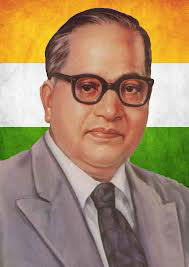 In his Lund University seminar, he focused on Dr. B.R. Ambedkar – renowned Indian political leader mobilizing the Dalits during the freedom struggle, besides being a jurist and economist and the chief architect of the Indian Constitution. He was also a revivalist for Buddhism in India, after leading his followers to convert from Hinduism to Buddhism in 1956. He discusses the interpretative models provided by scholars involved with the study of Ambedkar’s brand of Buddhism. In fact, there would be attempts to deal with Ambedkar’s own interpretation of Buddhism and to explore whether it was linked to his efforts to establish ethical foundations of the Dalit movement in postcolonial India. Prof. Basu is interested in explicating the reasons why Ambedkar decided to seek a conversion to Buddhism, since it was not only opposed to caste hierarchy but possibly provided a framework for a society based on the principles of non-discrimination, equity and respect. The main intention would be to establish the point that Ambedkar favoured Buddhism to Marxism, possibly for the matter that it was more liberal and flexible in mobilizing the socially deprived masses in favour of a more egalitarian socio-political system.


 Professor Emeritus Baboo Nair, Department of Applied Nutrition & Food Chemistry at Lund University, holds the second SASNET/ABF Thursday lunch seminar talk for the spring semester 2013 on Thursday 14 March 2013, 12.30–13.30. Venue: Lunds konsthall, Mårtenstorget 3, Lund. Prof. Nair’s presentation is entitled ”A story of my cooperation with SASNET/Lund University”. See the poster.
During the last decade, two of Baboo Nair’s premier research initiatives have been supported by SASNET. The first one dealt with organising a meeting on Fermented Foods Health Status and Social Wellbeing. After getting initial SASNET support the South Asian fermented foods network being formed later received massive funding from the European Commission.
The second project dealt with organising a meeting on Sustainable Utilisation of Tropical Plant Biomass in South Asia. In his lunch talk, Baboo Nair will tell about the success stories of his projects and praise the connection with SASNET as well as all those with whom he has worked and still continue to work with. Scientific facts will be mixed with personal impressions.
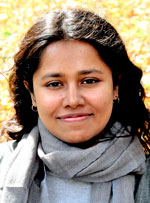
 Dr. Aneeta Rajendran, Department of English, Gargi College, University of Delhi, India, holds an open SASNET/GADNET Lecture at Lund University on Friday 22 March 2013, 13.15–15.00. She will speak about ”Queer Femininities in Indian Narratives”. Venue: Centre for East and South-East Asian Studies (ACE), conference room, Scheelevägen 15 D (second floor), Alfa 1 building, Ideon Research Park, Lund.
Aneeta Rajendran is currently an Erasmus Mundus scholarship holder at Lund University, working as a postdoc during the academic year 2012/13 at the Center for Gender Studies. Her doctoral thesis, ”In the Realm of the (Un)Familiar: Studies inContemporary Lesbian Indian texts”, was a pioneering examination of female non-heteronormativity in a variety of contemporary Indian literary and visual cultural texts, and studied works as far apart as a novel by a major Urdu writer from the 1940s to a graphic novel produced only a couple of years ago. It is going to be published during 2013. In her presentation, she will survey a variety of Indian narratives, literary and cinematic, with the aim to consider what queer female subjects emerge. The paper speculates that there is a striking degree of homogeneity in the representations that emerge in various cultural modes, particularly in the mass media, with the female queer emerging almost homonormatively as femme. While this is a gender-compliant index of female homosexuality, the paper also argues that the femme lesbian in these contexts enables consideration of the sphere of the home, consigned otherwise to the realm of the “private”, as a space where queer feminist reproduction can and does happen.


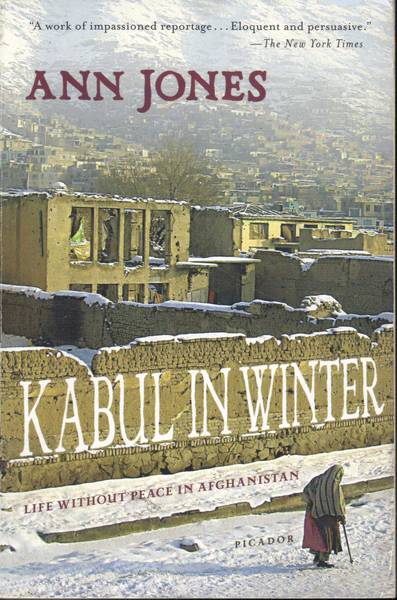
 The American photo journalist Ann Jones holds a SASNET lecture on ”War Is Not Over When It’s Over: Life Without Peace in Afghanistan” at Lund University on Tuesday 23 April 2013, at 19.00, a seminar being organised in collaboration between SASNET and the Swedish Committee for Afghanistan (SCA) in Lund, with support from Sensus studieförbund. See the poster.
Ann Jones is a journalist and author of a number of non-fiction books about her research into women’s and humanitarian issues. She has also written and taken photographs for a number of publications including National Geographic Traveler and The New York Times. She is also a renowned authority on domestic violence, a startlingly original inquiry into the aftermath of wars and their impact on the least visible victims: women. Even after the definitive moments of military victory, women and children remain blighted by injury and displacement and are the most affected by the destruction of communities and social institutions. And along with peace often comes worsening violence against women, both domestic and sexual.
One of her books – ”Kabul in Winter” – dealt with Jones’ experiences in Afghanistan in 2002 and her observations of a city utterly destroyed by war, warlords and the Taliban where she felt a need to try to pick up the pieces. In her writings, Ann Jones enters the lives of everyday women and men and reveals through small events some big disjunctions: between the new Afghan ”democracy” and the still-entrenched warlords, between American promises and performance, between what’s boasted of and what is.
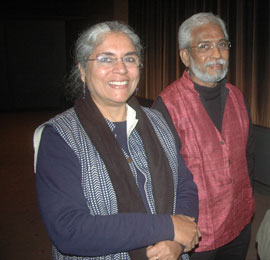
 Professors Anjali Monteiro and Kizhavana Jayasankar, researchers cum film makers from the Centre of Media and Cultural Studies, Tata Institute of Social Studies (TISS) in Mumbai, India, holds a seminar at Lund University on ”Indian Documentary: Diversity, Borders and Cultural Syncretism”, on Wednesday 10 April 2013, 13–15.
The seminar is jointly organised by the Department of Communication and Media in collaboration with SASNET. Venue: The Faculty Club, Centre for Languages and Literature (SOL-centrum), Helgonabacken 12, Lund.
Monteiro and Jayasankar spends the month of April 2013 in Lund as scholarship holders through the Erasmus Mundus Action 2 mobility programme EMEA, that is coordinated by Lund University. Both of them are involved in media production, teaching and research. Jointly they have won twenty-eight national and international awards for their films. They have contributed to scholarly journals such as Cultural Studies, and both have been attached to Goldsmith’s College, London and the University of Western Sydney. They also serve as visiting faculty to several leading media and design institutions in India and abroad. They are both actively involved in ‘Vikalp‘ , which is a collective of documentary filmmakers campaigning for freedom of expression. They are also associated with various media and voluntary organisations.
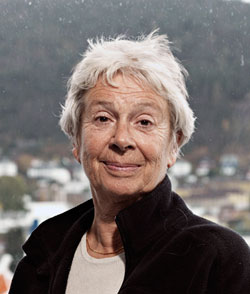
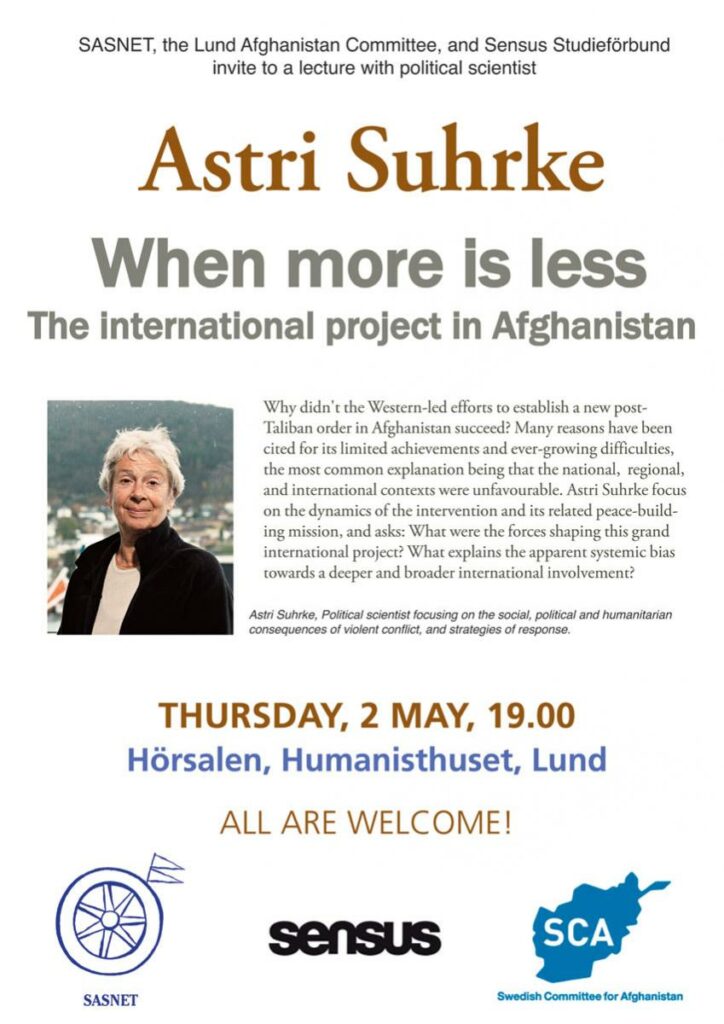 Dr. Astri Suhrke, senior researcher at the Chr. Michelsen Institute in Bergen, Norway, holds a SASNET lecture on ”The Failure of International Intervention in Afghanistan” at Lund University on Thursday 2 May 2013, 19.00–21.00. The seminar is organised in collaboration between SASNET and the Swedish Committee for Afghanistan (SCA) in Lund, with support from Sensus studieförbund. Venue: Auditorium (hörsalen), Centre for Languages and Literature (SOL-Centrum), Helgonabacken 12, Lund. See seminar poster.
Astri Suhrke is a political scientist focusing on the social, political and humanitarian consequences of violent conflict. She has been a Professor of international relations at American University in Washington D.C., USA. She has more than 25 years of experience with Afghanistan. Her presentation in Lund is based on her book “When more is less. The International Project in Afghanistan“, a book published in 2012 and that recently was selected to be one of the winners of the Choice Magazine’s annual Outstanding Academic Titles list award. (Choice Magazine is published by the American Library Association for academic library collections). More information.
Abstract: Why didn’t the Western-led efforts to establish a new post-Taliban order in Afghanistan succeed? Many reasons have been cited for its limited achievements and ever-growing difficulties, the most common explanation being that the national, regional, and international contexts were unfavourable. Astri focuses on the dynamics of the intervention and its related peace-building mission, and asks: What were the forces shaping this grand international project? What explains the apparent systemic bias towards a deeper and broader international involvement?

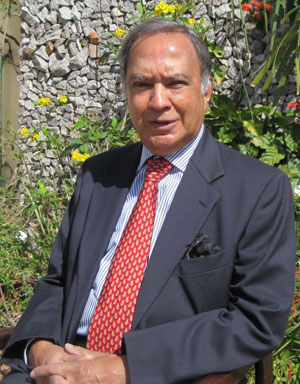 Dr. Krishnan Srinivasan, Research Fellow at the Swedish Collegium for Advanced Study (SCAS) in Uppsala during the academic year 2012/13, holds a SASNET lecture at Lund University on Tuesday 7 May 2013, 13.15–15.00. He will speak about ”Europe’s engagement with Emerging Asia; reflections on a new roadmap”. The presentation is based on a monograph on the future relationship between Europe and the emerging powers of Asia, that he is working on during his stay in Uppsala. Indian Ambassador to Sweden, Mrs. Banashri Bose Harrison will participate in the seminar, and hold an introductory speech. The Lund University seminar is organised in collaboration with the Dept. of Political Science. Venue: Palaestra övre, Universitetsplatsen, Lund.
Srinivasan is both a scholar and a diplomat (retired). He graduated from Christ Church, Oxford and joined the Indian diplomatic service in 1959. After serving as ambassador to several countries and finally being the foreign secretary, Government of India. Then he was appointed Commonwealth deputy secretary-general and held this position until 2002. Srinivasan has held several academic appointments at Oxford, Cambridge, Wassenaar and in India where he is Honorary Professor at ASCI Hyderabad and Fellow of the Maulana Azad Institute for Asian Studies at Kolkata. He is a regular columnist and book reviewer in Indian newspapers. He has published five books on international relations and some works of fiction. More information about Krishnan Srinivasan.
Seminar abstract: Literature on the European Union’s foreign policy gives little consideration to relations with the leading economies of Asia, whereas the pivotal development in the modern era is the rise of China and the modernization and industrialization of parts of Asia. Asian capitalism is challenging the dominance of the west-led financial and political settings, and the world is moving towards a pluralistic non-European setting.
Europe’s self-image and the view from the outside are not in harmony. The European Union is perceived by rising Asian nations as not having kept pace with the situation where politics and economics are witnessing a transformation in power relationships. The European Union has to address this change in gravity from West to East at a time of internal crisis, but needs to benefit from the prospects that the emerging Asian countries represent, while recognizing that this power shift does not necessarily share its cultural attitudes or value system. Asian emerging nations, for their part, should appreciate the value of closer ties with Europe, that the existing international order is not inimical to their progress, and that mutual cooperation could result in more inclusive global governance.

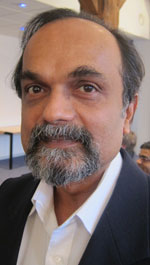 Professor Sebastian Morris from the Indian Institute of Management (IIM) Ahmedabad, India, holds a SASNET lecture entitled ”The 2012 Gujarat Elections – Implications for Political and Economic Development in India” on Tuesday 21 May 2013, 15.15–17.00. Prof. Morris is currently Indian Council for Cultural Relations (ICCR) Chair Professor at the Copenhagen Business School (CBS). In his presentation, he focuses on the third time victory in the Gujarat state elections of the Bharatiya Janata Party (BJP) led by Chief Minister Narendra Modi. To most especially the middle-classes the elections were campaigned and won on the dual planks of “development” and “leadership in command”.

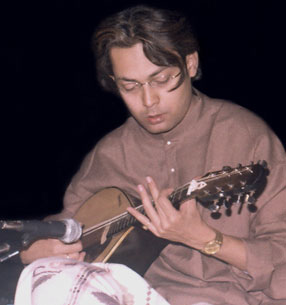 The academic seminar is immedaitely followed by a concert, also organised by SASNET, with Mandolin player Sugato Bhaduri, from 17.00 till 18.00. Bhaduri has toured frequently both in India and Europe, and in 2006 he was recognized to be the best mandolin soloist of the world by the Eurofestival Zupfmusik held in Bamberg, Germany. He performs North Indian Classical Music on Mandolin, an instrument hitherto rarely known in Sweden for rendering the pure & ancient form of Indian classical music that is Dhrupad.
Venue for both seminar and concert: Auditorium (hörsalen), Centre for Languages and Literature (SOL-Centrum), Helgonabacken 12, Lund. Full information about the 21st May SASNET event.
Research Community News

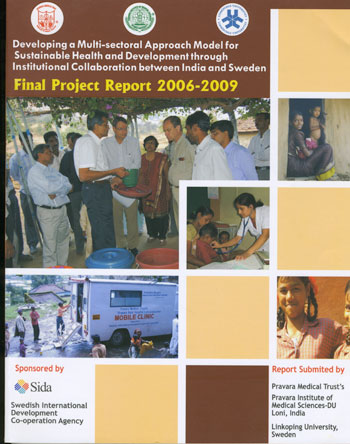 Faculty of Health Sciences at Linköping University has been involved in extensive collaboration with Pravara Institute of Medical Sciences (PIMS) in Loni, Ahmednagar District, Maharashtra State, India, for many years. The collaboration started within the framework of the Linnaeus-Palme International Exchange Programme, but after 2005 it evolved into a major Sida-funded institutional collaboration project on ”Developing a Multisectoral Approach Model for Sustainable Health and Development” involving PIMS; the Faculty of Health Sciences, University of Linköping; and the University Hospital in Linköping/County Council of Östergötland. It was carried out in 235 underserved/tribal villages of Ahmednagar district in Maharashtra, and focused on a number of key areas, including Improvement of access to mother and child health care; Women empowerment; Awareness generation; and Nutrition and Research in Biotechnology. The project was completed in March 2010.
In July 2012, a final report on the project was compiled and edited by Professor K V Somasundaram at PIMS, and Professor Emeritus Orvar Finnström, Department of Paediatrics, Linköping University, and soon after the key persons involved in the project, four from Sweden and four from India, published an article about the Pravara project in the open-access peer-reviewed journal Rural and Remote Health.
The article is entitled ”Nurse-based antenatal and child health care in rural India, implementation and effects – an Indian-Swedish collaboration”, and presents the positive results from the project implementation in reducing the level of mother and child mortality. The results suggest that it is possible in a rural and remote area to influence peoples’ awareness of the value of preventive health care. The results also indicate that this might decrease maternal and child mortality. The education led to a more patient-friendly encounter between health professionals and patients. More information, with link to the full article.

 A Joint call for proposals on Strategic Indo-Swedish Cooperative Innovation Programme in the field of Health has been launched by the Department of Biotechnology (DBT), Government of India; the Swedish Governmental Agency for Innovation Systems (VINNOVA); and the Swedish Research Council (SRC). The aim is to promote Indo-Swedish research and innovation cooperation. DBT, VINNOVA and SRC invite Indian and Swedish industry and researchers in both private and public sectors to submit joint project applications for collaborative research and innovation projects.
The programme encourages cooperation between industry, academia and the public sector to ensure maximum relevance and impact. Project proposals are requested to include a Public-Private Partnership (PPP) perspective in their application. In the area of antimicrobial resistance basic research initiatives are welcome to present proposals. Collaborative research and innovation projects should be set up under one or more of the following health areas, and should provide economical, societal and environmentally sustainable solutions.
* Determinants of health and disease prevention, developing treatments and treating disease
* Medical diagnostics
* Innovative food, improving health promotion and disease prevention
* Medical devices
* Antimicrobial resistance – Innovative treatment, diagnostics and preventive strategies
The programme aims at funding 4-6 projects. Deadline to submit proposals is 29 April 2013.
Full information about the Call.
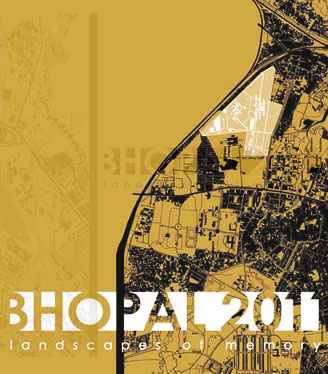
 In 2011, the Department of Conservation and the Heritage Studies Group at the University of Gothenburg was involved in an international project focusing on the Union Carbide factory in Bhopal, India. The aim was that this industrial complex should be declared a heritage memorial building. A workshop and symposium were conducted in January-February 2011 in the city of Bhopal, India. The event explored the significance of the Union Carbide industrial site – its heritage as the origin of the Bhopal gas tragedy in 1984, its present condition as an abandoned industrial brown field site and its relevance as the future site for the commemoration of the victims of the world’s greatest industrial disaster.
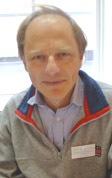 The multidisciplinary event has now been documented and published as a beautifully designed book, entitled ”Bhopal 2011. Landscapes of Memory”, edited by Amritha Ballal, and Jan af Geijerstam (photo), one of the leading Swedish researchers invlved in the project. The documentation has been conceptualized as an action-research initiative – an academic exercise involving students, researchers and institutions from Bhopal and across the world, with a public interface which sought to increase awareness on the ongoing socio-cultural and environmental challenges facing the Union Carbide site. The event uniquely provided an open, neutral platform for local citizens, visitors, survivors, activists, government officials, students and academicians to engage with the conflicted, real-time issues facing the site. In doing so, it drew attention to the possibilities and challenges of inclusive processes for the remediation of the site and the protection of its cultural heritage. Landscapes of Memory addresses issues of inclusive heritage, participatory urban development, cultural rights and memory that underpin the narrative of the Bhopal gas tragedy, which are shared by many other sites and communities across the world. and its shared legacy in our collective consciousness.
More information about the book, published by SpaceMatters in India, and the Norwegian University of Science and Technology (NTNU) in Trondheim, with support from the Research Council of Norway, the University of Gothenburg, and modern Asian Architecture Network (mAAN).
More information about the Bhopal project and the involvement of University of Gothenburg.

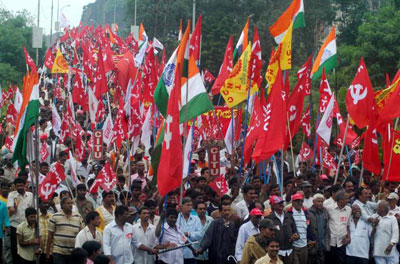 Professor Nora Räthzel at the Department of Sociology, Umeå University, leads a major international research programme on civil society entitled ”Moments of danger, moments of opportunity: the role of individuals as change agents in organisations”. It is a study of trade unions and environmental organisations in Sweden, the UK, Spain, Brazil, South Africa, and India. In 2010, the project was awarded SEK 9.2 m as a grant from the Swedish Research Council. It is running for five years till 2014, and is carried out in collaboration with colleagues at the same department but also involving Professor David Uzzell, Dept. of Psychology, University of Surrey, UK; and Professor Diana Mulinari, Centre for Gender Studies, Lund University. The overarching aim is to provide an analysis of how trade unions address the changing societal conditions in which they are operating, focusing on the roles of individuals as agents of change. The unions selected are a/The metal workers’ unions, arguably the best organised and largest world-wide and also those facing the greatest challenges from climate change policies, relocation of production from the North to the South, and redundancies due to technological innovation; and b/ workers in the agricultural sector. About one third of the world’s workers are employed in this sector.
As for the project work in India, the research team chose India because it is one of the emerging economies (like South Africa and Brazil). However, it turns out that it is quite a challenge to do research with trade unions and their environmental policies in India. The trade union system is very different from the one in other countries, especially due to its diversity. There is also a stronger tendency in the trade union movement to disregard environmental issues, it seems. The research work in India is carried out by a number of young researchers from Jadavpur University in Kolkata, Payoshni Mitra, Nilanjan Pande, Duke Ghosh, and Piya Chakraborty. They are now affiliated to the Dept. of Sociology in Umeå. More information about the research project.

The 2013 general call for applications to the Swedish Research Council(Vetenskapsrådet) for Project Research Grants in all subject areas opened on 19 February. Closing dates for applications vary between subject areas and calls for application:
– Humanities and Social Sciences, – Educational Sciences, – Infrastructure, and – Artistic Research: All on 26 March 2013.
– Medicine and Health: 4 April 2013.
– Natural and Engineering Sciences: 11 April 2013.
– Framework grant and graduate school whithin SIMSAM: 17 april 2013.
Under the auspices of the Ministry of Education and Science, the Swedish Research Council offers research grants to all the disciplines. The goal, as formulated by the Swedish Government, is to establish Sweden as a leading research nation. The Swedish Research Council is one of the most important funders of Swedish South Asia related research. Full information about the general announcement.
South Asia related projects given
Swedish Research Council grants
– Project grants, November 2002 (for 2003-05)
– Project grants, November 2003 (for 2004-06)
– Project grants, November 2004 (for 2005-07)
– Project grants, November 2005 (for 2006-08)
– Project grants, October 2006 (for 2007-09)
– Project grants, October 2007 (for 2008-10)
– Project grants, November 2008 (for 2009-11)
– Project grants, October 2009 (for 2010-12)
– Project grants, October 2010 (for 2011-13)
– Project grants, 2011 (for 2012-14)
– Project grants, October 2012 (for 2013-15)
 In May 2012, the Royal Swedish Academy of Sciences (Kungliga Vetenskapsakademien) established Sveriges Unga Akademi, a new academy for young researchers within all disciplines working in Sweden. The aim is to create an interdisciplinary forum and research-political platform for young researchers. The members have been elected for excellence in science and engagement for the young academy’s areas of interest. The first 22 members of the young academy will independently form an election process and gradually increase the number of members up to approximately 40.
Members of the Young Academy of Sweden include Professor Stefan Jonsson, Dept. of Business Studies, Uppsala University – and a member of SASNET’s board for the period 2013-15. Another member involved in South Asia related research is Professor Marie Dacke, Department of Biology, Lund University.
Young academies have started in several countries, for example in Germany and the Netherlands, and in the spring 2010 also a Global Young Academy was inaugurated.
More information about the Young Academy of Sweden.

 Since 1966, the School of Oriental and African Studies (SOAS) at University of London, UK, has hosted a Centre of South Asian Studies, co-ordinating the research of the South Asia specialists spread widely throughout SOAS. At present SOAS employs more than 50 South Asian specialists in the teaching staff. In addition to a department of South Asian Languages and Cultures, SOAS has South Asia specialists in the departments of Anthropology, Art and Archaeology, Development Studies, Economics, History, Law, Music, Religions and Politics.
Now SOAS has decided to launch a SOAS South Asia Institute (SAI) from September 2013. The SAI will be at the forefront of a major strategic initiative, designed to confirm and strengthen the position of SOAS as the UK’s foremost centre of research, teaching and outreach with reference to the Indian subcontinent. The SAI will provide new and exciting opportunities for postgraduate training and postdoctoral research, and produce scholarly work of the highest international quality.
To lead this initiative, the School seeks to appoint a senior scholar in the field of contemporary South Asian Studies to assume the inaugural Directorship of the SAI. The position comes with a professorial appointment in one of the departments in the School, although the postholder’s creative energies will overwhelmingly be directed to shaping and developing the activities of the SAI. The successful candidate will play a leading role in developing new Masters-level programmes on contemporary South Asia, with input from all SOAS departments in which South Asia is covered. He/she will oversee the development of the SAI as an active, cross-departmental and interdisciplinary community of scholars and studies, and will take the lead in shaping the Institute into a vibrant postgraduate and postdoctoral research centre of international importance. Deadline for applications is 22 March 2013. More information.


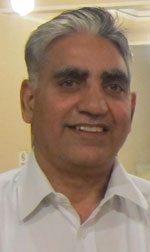
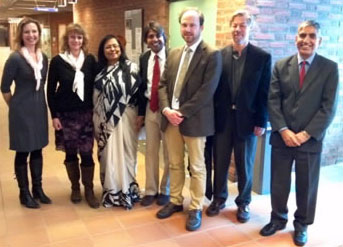 Ashok Kumar Kaul, Professor of Sociology at Banaras Hindu University (BHU) was inaugurated as the first Visiting Indian ICCR Professor at the University of Gothenburg on Thursday 14th February 2013, 14.00–16.00. An inauguration seminar was held at Lilla Hörsalen, Humanisten (Faculty of Arts), Renströmsgatan 6, Gothenburg. Prof. Kaul will stay at the university for five months, being based at the Department of Literature, History of Ideas, and Religion.
At the inauguration seminar, Prof. Kaul was welcomed by the Pro-Vice-Chancellor Helena Lindholm Schultz. Indian Ambassador, Mrs. Banashri Bose Harrison gave an introductory speech, and Dr. Clemens Cavallin gave a presentation on ”Cooperation with Indian universities at the Faculty of Arts. See the complete programme.
Ashok Kaul has a doctorate from BHU, and thirty years of lecturing and research experience at a number of universities in India and internationally.
Originally coming from Kashmir, Prof. Kaul has written a book entitled ”Kashmir: Fractured Nativity (Closed Options, Open Possibilities)”. It was published by German publisher VDM in 2009, and an edited version “Kashmir: Contested Identity” was published by Rawat Publications in India in 2011. More information about the book.

 The Department of Cross-Cultural and Regional Studies, University of Copenhagen, announces a position as teaching assistant professor with a workload of 18,5 hours/week in Hindi as a foreign language to be filled by August 1st, 2013. The Department of Cross-Cultural and Regional Studies comprises languages, cultures, religions, and societies, primarily outside Western Europe and the USA.
In cooperation with colleagues from the subject area, the teaching assistant professor is to plan and teach propaedeutic courses in Hindi, as well as planning and conducting the requisite exams and other evaluations. The applicant is expected to be a part of the group of communicative language teachers at the department and further to develop and employ web-based teaching systems.
Applicant must possess an MA or corresponding degree, have full command of written and spoken Hindi and have relevant experience in teaching Hindi as a foreign language. The application deadline is April 2, 2013. More information.
• Fellowships offered by Kerala Council for Historical Research

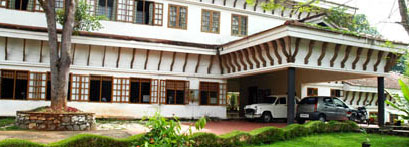 The Kerala Council for Historical Research (KCHR) is an autonomous institution funded by the Higher Education Department, Government of Kerala, India. It is a research centre of the University of Kerala, located at Thiruvananthapuram, having bilateral academic and exchange agreements with various universities and research institutes in India and abroad. Chaired by Professor K N Panikkar, KCHR strives to integrate advanced research and scholarship with historical and social consciousness through its projects and programs.
 One of its most successful ventures is the Pattanam Archaeological Research project, that has evolved into a major international project in multidisciplinary material culture studies involving many leading universities and research institutes within and outside India, including Oxford University; University of Rome; University of Durham, UK; and University of Georgia, USA. More information about Pattanam project.
 KCHR also offers different forms of scholarships to researchers interested to spend time in Kerala. They include short-term Scholar-in-Residence Fellowships to scholars to work on article(s) or monograph(s) or for completing scholarly work in progress, and PhD Fellowships open to research scholars to pursue PhD programme in any of the Indian universities or at KCHR on themes related to Kerala society and history or social science theories.
Special fellowships are also given to scholars who like to revise/modify their PhD theses in social science research for publication; or to design a Post-Doctoral research theme on any aspect of Kerala society/history.
Besides, KCHR offers internships to graduate, post-graduate and M.Phil students from any part of the world interested
in undertaking short term assignments of their interest in social science disciplines. The internships are also meant to expose them to various projects and programmes of KCHR. Internships are available in the major KCHR research projects such as Pattanam Archaeological Research, Contemporary History Archives of Kerala, Digitizing Kerala’s Past, History of Malayali Migrations and Migrant Communities and Writing local/micro histories, life histories and Institutional Histories. For 2013, deadline for applications was 27 January. Full information about the KCHR fellowships.
• Lahore University of Management Sciences VC opponent for Norrköping PhD thesis

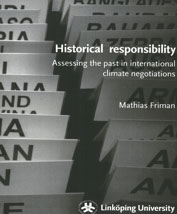
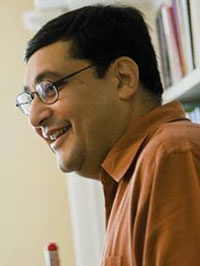 Professor Adil Najam, Vice Chancellor of the Lahore University of Management Sciences (LUMS) in Pakistan, visited the Centre for Climate Science and Policy Research (CSPR) at Linköping University, Campus Norrköping, on 15 February 2013. He acted as opponent for PhD student Mathias Friman, based at the Department of Water and Environmental Studies, defending his doctoral thesis entitled “Assessing the past in international climate negotiations. More information.
 Professor Najam, being an expert in international diplomacy and development, is also the Frederick S. Pardee Professor of Global Public Policy at Boston University, USA. His research interests include sustainable development, Muslim and South Asian politics, environmental politics in developing countries, and philanthropy among immigrant communities in the United States. Much of his work has focused on longer-term global policy problems, especially those related to human well-being and sustainable development.
Adil Najam served as a Lead Author for the Intergovernmental Panel on Climate Change(IPCC), work for which the IPCC was awarded the 2007 Nobel Peace Prize along with Al Gore. In 2009, Najam was appointed to serve on the UN Committee for Development Policy, a 24 member panel that advises the UN Economic and Social Council. Prof. Najam has written nearly 100 scholarly papers and book chapters, and his recent books include: Pakistanis in America: Portrait of a Giving Community (2006); Trade and Environment Negotiations: A Resource Book (2006); Envisioning a Sustainable Development Agenda for Trade and Environment (2006); and Environment, Development and Human Security: Perspectives from South Asia (2003).

 The Mahatma Gandhi Institute of Education for Peace and Sustainable Development (MGIEP) is a UNESCO specialized education institute based in New Delhi, India. The Institute now announces the position as Director. Deadline forapplications is 21 March 2013.
Guided by the Institute’s Governing Board, and under the overall authority of the Director-General and the direct supervision of the Assistant Director-General for Education (ADG/ED), the Director of MGIEP is responsible for administering the Institute, as well as for planning, implementing and reporting on its Programme and Budget. He/She also will maintain close cooperation with the UNESCO Office in New Delhi and UNESCO Representative to India, Bhutan, Maldives and Sri Lanka, national authorities, United Nations agencies, development banks, bilateral organizations, non-governmental organizations, academic institutions, and other partners, with a view to generating projects and mobilizing funding. Prospective candidates hould have at least fifteen years of progressive professional experience at the appropriate management level within the United Nations system or within other international or national institutions, including a wide experience in development issues related to education at the national and international levels, experience in administering and developing research and training programmes in fields related to peace education and education for sustainable development, and experience in the field of international relations and diplomacy. More information.

 The Cluster of Excellence ”Asia and Europe in a Global Context” at Heidelberg University invites applications for two PhD scholarships (3 years+) within the Junior Research Group (JRG) C15 ”Agrarian Alternatives: Agrarian Crisis, Global Concerns and the Contested Agro Ecological Futures in South Asia.” The scholarship will start on 1 April 2013 or as soon as possible thereafter, and is awarded for 3 years but may be extended after successful evaluation. The JRG ethnographically investigates contemporary South Asian experiments in agriculture and the search and struggle for agrarian alternatives in a context of agrarian and environmental crisis. The JRG is interdisciplinary in scope and combines theories from anthropology, agrarian studies, political ecology and postcolonial science studies. The successful applicants will be expected to complete an ethnographic Ph.D. dissertation based on field work in any region of South Asia focusing on one of the following fields (or their combination):
– Certified organic farming and fair trade
– Alternative agriculture and the revival of heritage
– Genetically modified organisms (GMOs) and their adaptation
– New cash crops, neoliberalism and state agronomy
– Seed banks, traditional varieties, agro-biodiversity conservation
Deadline for applications is 10 March 2013, though applications will be accepted until the positions are filled. More information.
Educational News
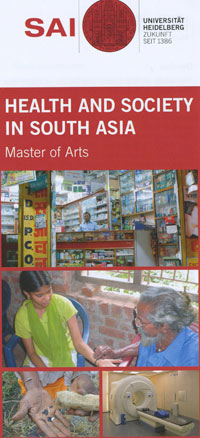
Since 2008, the South Asia Institute at University of Heidelberg, Germany, runs an interdisciplinary Master’s programme entitled ”Health and Society in South Asia” (MAHASSA). The programme is a taught, two-year interdisciplinary degree with a focus on Medical Anthropology and South Asian Studies.
It is integrated with the curriculum of Heidelberg University’s South Asia Institute, allowing students to integrate South Asian languages, geography, politics, etc. into their plan of study. Most students base their Masters Thesis on field research conducted in South Asia. The language of instruction is English. The programme is intended for students who plan to work (or already work) in health-related fields but also for those who wish to pursue an academic career. The programme is administered by the Dept. of Anthropology at the South Asia Institute, specializing in Medical Anthropology, with various staff members conducting research on ritual healing, folk medicine, South Indian medicine, health and environment, Ayurveda, Tibetan Medicine, gender and health, women’s reproductive health and Islam, and other topics.
The programme combines Medical Anthropology with South Asian Studies. Medical Anthropology is the study of healing systems, not primarily in terms of scientific theories or health policies, but also focusing on and analyzing how they are practiced in concrete, socio-cultural contexts. Admissions for the next program starting in October 2013 is now open and applications should have reached the University before 15 June 2013. More information about MAHASSA.

 The American National Endowment for the Humanities (NEH) and the Community College Humanities Association (CCHA) organise a four-week summer seminar entitled “India’s Past and the Making of the Present” during July 1-26, 2013 in New Delhi, Varanasi and Agra, India.
The seminar is directed by Beverly Blois (Northern Virginia Community College) and Daniel Ehnbom (University of Virginia) and allows participants from two- and four-year colleges and universities to study selected aspects of India’s history, literature, architecture, art and religion with some of the foremost scholars, journalists, film makers, and leaders of social movements in India. The institute moves chronologically through Indian history, with the first week offering an introduction to the Indus Valley civilization and the Aryan question and enlarges the discussion to how these early societies facilitated the establishment of an enduring culture that is reflected in India today. The second week moves to classical India and the development of established religious faiths that led to attempts at socio-religious syncretism. Texts studied this week include the Mahabharata and the Bhagavad Gita and site visits include a trip to Varanasi and nearby Sarnath. The third week delves into the initial encounter between India and Islam (1206-1526), closely examines the nature of the complicated relationship that developed between the two, and traces this relationship to its current dissension in India. Participants are also joined on a tour of the Taj Mahal by Ebba Koch, an art historian and advisor on the building’s restoration. The final week focuses on the British Raj, India’s independence, and the making of modern India.
Guest lectures touch on a variety of topics including British colonialism, Gandhi and Nehru’s role in India’s independence, and the issue of communal violence which emerged in the 1950s, as a dark underside of Indian politics and society. Applications should be posted no later than March 4, 2013. More information and application instructions.
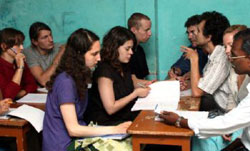 The Puducherry (Pondicherry) Institute of Linguistics and Culture holds its regular Tamil Summer School from 22 July – 31 August 2013. The summer school offers an intensive education in spoken Tamil language at basic and intermediate levels, and it combines classroom lessons with field visits so that the participants can practice at most their language skills in the course of studies. Registration is open from 1 March – 30 April 2013.
The Tamil Summer School was initiated in 1998 by the Department of Social Sciences, French Institute, Puducherry to offer training to language researchers in Humanities and Social sciences. PILC has been organising this course since 2004. Read an article from The Hindu about the Tamil Summer School 2008, (with a photo by T. Singaravelou).
The medium of teaching is English as well as Tamil. The TSS focuses on Spoken Tamil rather than on the classical and written forms being taught in European Universities. The level of spoken Tamil course is INTERMEDIATE.
More information (as pdf-file).

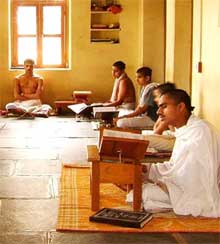 The South Asia Institute (SAI) at Heidelberg University offers a number of extracurricular activities including spring and summer schools. Generally these are organized by the SAI-departments or conducted as cooperation among the disciplines. In recent years many summer schools on political, cultural and philological topics have been offered and attracted the attention of an international academic community of young scholars from various backgrounds. This year the following summer schools are on offer:
From 5th to 30th August, 2013 the Department of Classical Indology offers its well-introduced Summer Schools in Spoken Sanskrit; and a Nepali Intensive Course. For the 14th year, Spoken Sanskrit is taught by Sadananda Das, whereas the Nepali Intensive course is again led by Laxmi Nath Shrestha. The language courses focus on practicing conversation and communication skills that can be used during field research or daily situations. All teachers are leading professionals in their fields and have significant backround in teaching and research. The lessons are held in English, therefore knowledge of English at reasonable level is required.
The department for Modern South Asian Languages and Literatures (Modern Indology) offers a summer school Intensive Course in Spoken and Written Urdu to be held from 12 – 31, August 2013. The instructors, Ms Amtul Manan Tahir, Ms Bushra Iqbal Malik and Dr Christina Oesterheld, have taught regular Urdu courses at Erfurt University and Heidelberg University and intensive Summer courses at Erfurt and Heidelberg.
In addition to the SAI organized Summer Schools there are associated research projects who offer events for students with a focus on South Asia. Full information about the SAI language summer schools.
Seminars and Conferences in Scandinavia

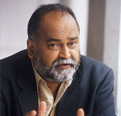 The Centre of Global South Asian Studies, and the Centre for Comparative Cultural Studies, Department of Cross-cultural and Regional studies, University of Copenhagen, jointly invite to a Public Lecture by Prof. Arjun Appadurai, Department of Media, Culture, Communication, New York University, USA, on Thursday, 28 February 2013 at 14.00. He will speak about ”Mumbai as Dreamscape: Economy, Media, Property”. Venue: Asia House, Indiakaj 16, Copenhagen. The public lecture is connected to a two day workshop (closed) themed on ‘Speculation in India’. For more information contact Stine Simonsen.

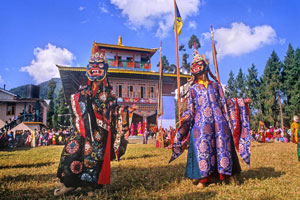 Dr. Saul Mullard, researcher at Ecole Pratique des Hautes Études in Paris, holds a Research Seminar in Tibetan and Himalayan Studies at University of Oslo on Monday 4 March 2013, 15.15–17.00. He will speak about ”State Formation in Sikkim. The guest lecture is organized by the interfacultary series funded by Religion in Pluralist Societies (PluRel). Venue: Seminar room 2, P. A. Munch’s House, Blindern, Oslo.
Dr. Mullard received his D.Phil in Oriental Studies from the University of Oxford in 2009. From 2009-2011 he held an overseas fellowship from the Leverhulme Trust (UK), leading a project on the cataloguing and digitalisation of the Sikkimese Palace Archive. This resulted in the publication of “Royal Records: A catalogue of the Sikkimese Palace Archive” co-compiled with Hissey Wongchuk in 2010. Since then he has written one monograph, “Opening the Hidden Land” (2011: Brill), edited a four volume series on Tibetan foreign relations, “Critical Readings on the History of Tibetan Foreign Relations” (2012: Brill), and authored numerous articles on Sikkim and Tibetan-Sikkimese relations.


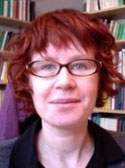
 The Forum for South Asian Studies at Uppsala University invites to a seminar with seminar with Dr. Anna-Pya Sjödin on Tuesday 5 March 2013, 13.15–15.00. She will talk about ”Lord over this whole world: Agency and Philosophy in the Early Upaniṣads. Venue: 6-0031 (house-room), Engelska Parken, Thunbergsgatan 3H, Uppsala.
The lecture illuminates some of the ways that agency is conceptualized in the Bṛhadāraṇyakopaniṣad (BĀU). The Brhad as an upanishadic text bears traces of discussions and speculations that were formulated within a culture of sacrificial ritual. At the same time it points to a widening of the possibility to think sacrificial agency in terms of general agency. Sjödin’s main interest here concerns in what way thinking the sacrifice orders thinking the human being and thinking knowledge. The presentation will begin with outlining key concepts and presuppositions and then proceed to the topical analysis of the text and then towards the end it will relate this to later philosophical discourses on the self.
Anna-Pya Sjödin has a PhD in Indology from Uppsala University 2007. Junior Research Fellow in philosophy at Södertörn University since 2008. Currently working with the project: “The little girl who knew her brother would be coming home: knowledge and cognition in Nyāya-Vaiśeṣika”. Sjodin’s research is centered on the understandings and conceptualizations of knowledge and cognition, especially intrasubjective cognition, within the commentarial tradition of Vaiśeṣika- sūtra. She furthermore works on the position of Indian philosophy within European academic philosophy.
 The Forum for South Asia Studies in the Humanities and Social Sciences at Uppsala University invites to a Panel Discussion on ”Challenges to India’s High and Sustainable Growth”, to be held on Friday 22 March 2013, 13.15–15.00. Venue: Hörsal 2, Ekonomikum, Kyrkogårdsgatan 10 B, Uppsala. The panelists consist of H E Banashri Bose Harrison, Ambassador of India to Sweden and Latvia; Uma Kambhampati, Professor of Economics at University of Reading, UK; and Sten Widmalm, Professor, Department of Government, Uppsala University. Ranjula Bali Swain, Associate Professor, Department of Economics, Uppsala University, will be the moderator. For more information, contact Ranjula.Bali@nek.uu.se or Forum for South Asia Studies.

 The Centre for Theology and Religious Studies at Lund University organises the conference “Young Sikhs in a Global World: Negotiating Identity, Tradition and Authority” on June 18 to 19, 2013 at the Centre for Theology and Religious Studies, Lund University, Allhelgona Kyrkogata 8, Lund, Sweden.
The conference is organized as a part of the Nordcorp project Sikh Identity Formation, in which Dr. Kristina Myrvold (Lund University), Prof. Knut A. Jacobsen (University of Bergen), Dr. Ravinder Kaur (University of Copenhagen), Prof. Hanna Snellman (University of Helsinki), and Dr. Laura Hirvi (University of Jyväskylä) participate. More information about the project.
The aim of the conference is to bring together scholars to discuss current research on young Sikhs with multicultural and transnational life-styles and how they interpret, shape and negotiate religious identity, tradition, and authority on an individual and collective level. The conference will also provide a forum for discussions about future collaboration between researchers in Europe, Asia and North America, and give young researchers an opportunity to discuss their projects with senior colleagues. Close to 40 doctoral students and researchers from 15 countries will participate in the event. In connection with the conference the film maker Bobby Singh Bansal will show his documentary from 2012, “The Sikhs of Kabul – A Forgotten Community”, about the surviving Sikh community of Afghanistan who has been caught in political crossfire since the rise of the Taliban regime to power in 1992. More information.
Conferences and workshops outside Scandinavia

 The Academic Cooperation Association (ACA) organises a seminar on ”Higher Education in India. Recent Developments and Relations with Europe” in Brussels, Belgium on Thursday 14 March 2013. ACA is a dynamic think tank in the area of international cooperation in higher education. Its goal is to promote innovation and internationalisation of European higher education while maintaining a global outreach. ACA’s activities include research and analyses, evaluations, consultancy for private and public bodies, advocacy, publications, and much more. The Academic Cooperation Association is a not-for-profit pan-European network of major organisations responsible in their countries for the promotion of internationalisation in education and training. The Swedish Institute represents Sweden.
The seminar will focus on the present state of Indian higher education, from the prestigious IITs and IIEs to run-of-the mill Indian tertiary institutions. It will also look at approaches to and examples of cooperation in the tertiary sector between India and the European Union. Invited speakers include Pawan Agarwal, Planning Commission, Government of India, who will talk about ”Indian higher education. The state of play and future prospects”; and Ruth Kattumuri, India Observatory, London School of Economics and Political Science, UK, who will talk about ”Partnerships with Indian universities: how to start and run them”. More information.

 The South Asia Research Cluster at Wolfson College, University of Oxford, UK, organsies an academic workshop entitled ”Juxtapose: Challenges of Comparative Research on Contemporary China and India” on Friday 26 April 2013, 09.00–18.00. Academic papers and online contributions are invited. Abstracts must be submitted by March 14th 2013.
The fascinating tension created by the similarities and differences between the two has attracted a rich multidisciplinary scholarship of SinoIndian comparative work in recent
years. Previous attempts at suchcomparative studies have suggested that what and how we compare depends heavily on theoretical approaches dominant in each country. These approaches however, are neither consistent nor cohesive, and given that the global reality is also diverse, it is surprising that we should expect them to be so. How is this theoretical problem to be overcome? Could we form a better comparative framework to understand India and China in our changing world? And if so, then how? This workshop aims to develop a creative platform for the cutting edge of international scholars and practitioners to discuss ongoing and forthcoming comparative projects about these two emerging powers, their challenges and opportunities. More information about the Oxford workshop.

 The India Media Centre and the China Media Centre of the Communication and Media Research Institute (CAMRI) of the University of Westminster, London, UK, organises an international conference entitled ‘Communicating Soft Power: Contrasting Perspectives from India and China’, on 9-10 September 2013. This two-day international conference will explore competing and contrasting approaches to soft power in India and China, the world’s two fastest growing economies, whose rise is set to reconfigure global power equations in a multi-polar world. The conference will discuss the American origins of the concept and how it has been extrapolated in non-American contexts, namely in India and China. Contributors to the conference will examine whether soft power needs to be de-Americanized and expanded to be more inclusive, and historicized to take account of the role of countries and civilizations, such as India and China, in the global communication sphere.
The University of Westminster, which hosts the highest-ranked research department in media and communication in the UK, is home to specialist media research facilities in the China Media and India Media Centres. This pioneering attempt to discuss Asian soft power in a comparative frameworkwill provide an opportunity to examine the strengths and limitations of the idea of soft power, deploying a multi-perspectival approach.
Keynote plenary speakers include Professor Amitabh Mattoo from the Australia-India Institute in Melbourne, Australia (and Jawaharlal Nehru University, New Delhi). Deadline for submitting abstracts is 17 May 2013. Venue: University of Westminster at its central London campus. More information.
 The 42nd Annual Madison Conference on South Asia will be held 17–20 October 2013. The conference, that is sponsored by the Center for South Asia at the University of Wisconsin-Madison, attracts over 650 scholars and specialists on South Asia, who travel from countries all over the world and much of the United States. It is a great venue for intellectual, professional, and social exchange. Panels, roundtables, and individual papers on all topics pertaining to South Asian studies are welcome.
This year a plenary session will be organized around the theme of ”Work”. The organisers especially welcome panels that similarly address questions of work – including waged labor, informal economies, new forms of entrepreneurship, and the work of social reproduction – from a variety of disciplinary and evidentiary perspectives. The conference features nearly 100 academic panels and roundtables, as well as association meetings and special events ranging from performances to film screenings. The registration deadline for all individuals listed on proposal submissions is April 1, 2013. For general conference attendees, early bird registration will be available through October 1, 2013. Venue: Madison Concourse Hotel, 1 West Dayton St., Madison, Wisconsin, USA. More information.
South Asia related culture in Scandinavia

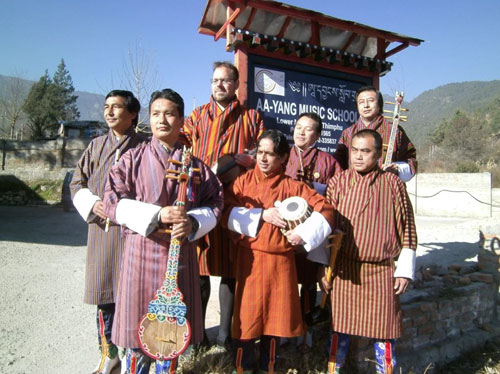 The Aa-Yang Ensemble from Bhutan visits Sweden for the first time in March 2013. The group performs at Kulturmejeriet in Lund on Wednesday 13 March 2013, at 20.00. Aa-Yang consists of musicians playing dranyen (lute), LIM (flute), piwang (fiddle), yangchin (dulcimer), tabla (drum) and harmonium. Accompanied to the deep and soulful voice of the Jigme Drukpa, the instruments resonate like a meditative session yet it is lively in its nature.
Their repertoire consist of songs and music from Zhungdra (genuine Bhutanese music, meditative music with free rhythm) to Boedra (Tibetan influenced music with definite rhythm and livelier) & Bhutanese Fusion with self-composed songs backed up by the tabla rhythms. Jigme Drukpa is the Founder and the Artistic Director of the Aa-Yang Ensemble. He has performed in over 200 cities worldwide. He has also studied in Norway for several years.
More information about Aa-Yang Ensemble in Sweden.
More information about the Lund concert.


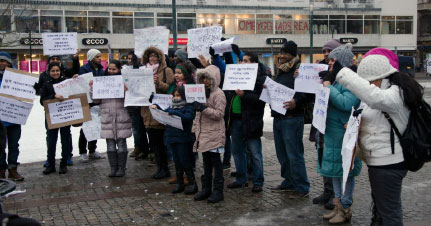
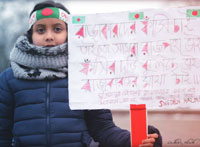 On Thursday 14 February 2013, the Bangladesh Cultural Organization in Skåne (BCAS) organised a peaceful demonstration to express its solidarity to the ongoing Shahbag movement in Bangladesh against the allleged war criminals of the 1971 liberation war, currently under trial in Bangladesh, and their allied political wings. Approximately one hundred Bangladeshi students and a few Swedes took part in the gathering at Gustav Adolfs Torg in Malmö. With placards, banners and national flags, the students from the universities in Lund and Malmö expressed their anger and loathe against the 1971 war criminals and urged for capital punishment to those considered guilty. They also demanded that the Bangladeshi government should ban the extremist Jamaat-e Islami party, since this party is said to have been involved in carrying out massacres along with Pakistani military forces.
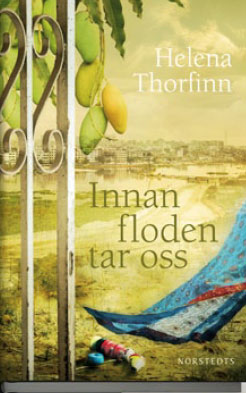
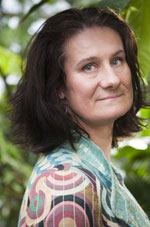

 The novel ”Innan floden tar oss/Sisters by the River” was one of the best Swedish books published by Norstedts in 2012. It is a fascinating story by Helena Thorfinn on life in Bangladesh, both among poor people in the countryside and amomg foreign diplomats in the capital Dhaka. Thorfinn worked for many years as a journalist for newspapers as well as for TV before making a career change to work as a social analyst for Save the Children and the Swedish International Development Cooperation Agency (SIDA). After three years at the Swedish Embassy in Dhaka, she and her family returned to Sweden and settled in Lund. She is now working as Communications Manager for the Raoul Wallenberg Institute of Human Rights and Humanitarian Law (RWI) at Lund University.
Innan floden tar oss is her debut novel, and still an unusually mature and well-written book, as sharp in its depiction of contemporary customs as in the analysis of a failure of development policies. It is a novel vibrant with colour and teeming with life. With immediacy and humour Thorfinn describes the Swedes’ attempts to do good while being politically correct, and she movingly narrates the dreams and misfortunes of the Bangla girls. A sweeping, powerful and exciting portrayal touching on the urgent, difficult issues as well as the everyday ones.
More information about the book.
• Fascinating non-fiction novel about Swedish – Indian love story


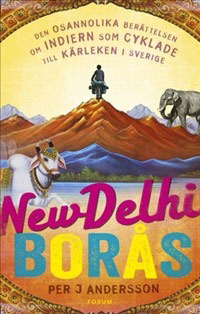
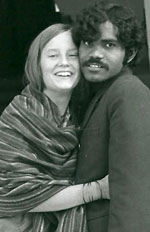 India-born Swedish artist PK Mahanandia has now been portrayed in a new book by Swedish journalist Per J Andersson. The book entitled ”New Delhi – Borås”, published by Forum bokförlag in February 2013, tells the unbelievable but real life true love story on how Pradyumna Kumar Mahanandia, born poor and in an untouchable community in the small village of Athmallik in Orissa in eastern India, falls in love with a Swedish lady whose portrait he is drawing on the streets in Delhi.
Chances that the two young people would see each other again when Lotta has travelled home to Sweden is minimal. If it were not for a second hand ladies’ Raleigh-bicycle. The cycle takes PK between Asia and Europe. Despite hardship and endless setbacks treading he stubbornly further west and reaches Sweden and his beloved. Today they are married and PK has worked as an art teacher in Borås. Since many years he has been the Oriya Cultural ambassador to Sweden, and in 2012 he was awarded an honorary doctorate degree (Degree of Honoris Causa) by Utkal University of Culture in Bhubaneshwar. He was praised for his long-standing work to promote Odisha culture in Sweden.
More information about PK Mahanandia.
More information about the book.


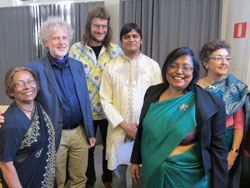 On Tuesday 7 May 2013, at 19.00, the Lund based Association for Indo-Swedish Cultural Exchange (AISCE) organises a cultural programme in honour of the Indian/Bengali Nobel Laureate Rabindranath Tagore, who was the first non-European writer to be awarded the Nobel Prize in Literature in 1913. The programme features the Indian Choir of Lund, singing Tagore’s songs, being conducted by Bubu Munshi Eklund, as well as a classical Indian music recital on Sitar, and a presentation about Tagore in Sweden by Dr. Heinz Werner Wessler, Department of Linguistics and Philology, Uppsala University.
Indian Ambassador to Sweden, Mrs. Banashri Bose Harrisson, is the guest of honour, and she will hold an introductory speech on Tagore and his relevance today.
 The Association for Indo-Swedish Cultural Exchange is a membership based cultural organisation exisiting since the early 1990s, chaired by SASNET deputy director Lars Eklund. The association organises concerts, dance performances and other cultural activities in southern Sweden, and since last year its Indian Choir has held several appreciated concerts in Lund (photo from concert event with Indian Ambassador at Lund University in October 2012).
More information about AISCE.
Venue for the May 7th concert: Sagohuset, Revingegatan, Lund.
Tickets can be reserved by sending an e-mail to the AISCE treasurer, Mr. Christer Fahlström.
New and updated items on SASNET web site

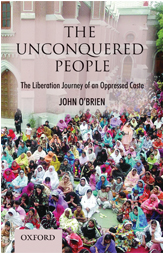
The Unconquered People. The Liberation Journey of an Oppressed Caste, by Dr. John O’Brien, with a PhD from Gregorian University Rome. He has spent twenty-five years in Pakistan working among its minorities in a variety of educational and development projects, while engaging in a dialogue with Islam. In what can be argued as one of the most detailed expositions on the origins of the Punjabi Christians in Pakistan, the book undertakes an arduous journey. It “explores the history, ethnography and liberation journey of the aboriginal, forest dwelling hunting tribe reduced to servitude by the Aryan conquests, who are called Chandala in classical Brahminic literature, designated as Chuhra in the census of India (1868-1931) and in contemporary Pakistan as Punjabi Christians.” With a population of 2.8 million, Christians are the largest minority in Pakistan and with limited material or studies on some aspects of their history the author has undertaken this venture to fill some much-needed gaps. Oxford University Press, Karachi, 2012.

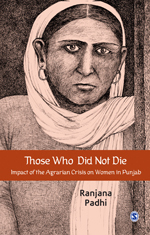 A book entitled “Those Who Did Not Die”, about the impact of the agrarian crisis on women in Punjab, India has been published by SAGE. The book is written by Ranjana Padhi, a well-known New Delhi based activist and independent writer, who has worked with the women’s organisation Saheli for many years.
Even as they produce food for society and its people, lives dependent on agriculture are barely able to make ends meet. The cost of food production far outweighs the returns; the peasantry is falling prey to indebtedness, both institutionalized and non- institutionalized. It is facing the severest of challenges, with even dalit landless labourers becoming victims of indebtedness and succumbing to suicide.
Based on a study done in eight districts of the Malwa region of the Punjab, this book uses quantitative data along with field work, narratives and interviews with peasant unions. Over 136 families have been interviewed where women as wives and mothers of the deceased speak of the aftermath of the suicide.
The book outlines the distress borne by the family, including women, the children and the elderly in the aftermath of peasant suicides. By doing so, it interrogates the split between public and private; production and social reproduction; work and family. It highlights the determining character of capitalist-intensive agriculture in today’s crisis times by focusing on women’s reality and renewed hardships in a caste, class and patriarchal society. More information.
• Swedish departments where research on South Asia is going on
This month there were 6 new departments added to SASNET’s list:
‡ Division of Obstetrics and Gynaecology, Department of Woman and Child Health, Karolinska Institutet
‡ Study of Religions, School of Cultural Studies, Linnaeus University, Växjö
‡ School of Health and Caring Sciences, Linnaeus University, Kalmar
‡ Occupational and Environmental Dermatology Unit, Department of Clinical Sciences,
Lund University (in Malmö)
‡ Public Health Science, School of Health and Medical Sciences, Örebro University
‡ Department of Sociology, Umeå University
Constantly added to the list of research environments at Swedish universities, presented by SASNET. The full list now includes nearly 300 departments, with detailed descriptions of the South Asia related research and education taking place! See the full list of departments here: http://www.sasnet.lu.se/institutions/reserch-environments
• Useful travelling information
Look at our Travel Advice page. Updated travel advises from the The British Foreign & Commonwealth Office about safety aspects on travelling to the countries of South Asia.
Best regards
Lars Eklund
Deputy director/webmaster
SASNET/Swedish South Asian Studies Network